The Council Review: 7 Powerful Reasons This Story-Driven Game Still Grabs You
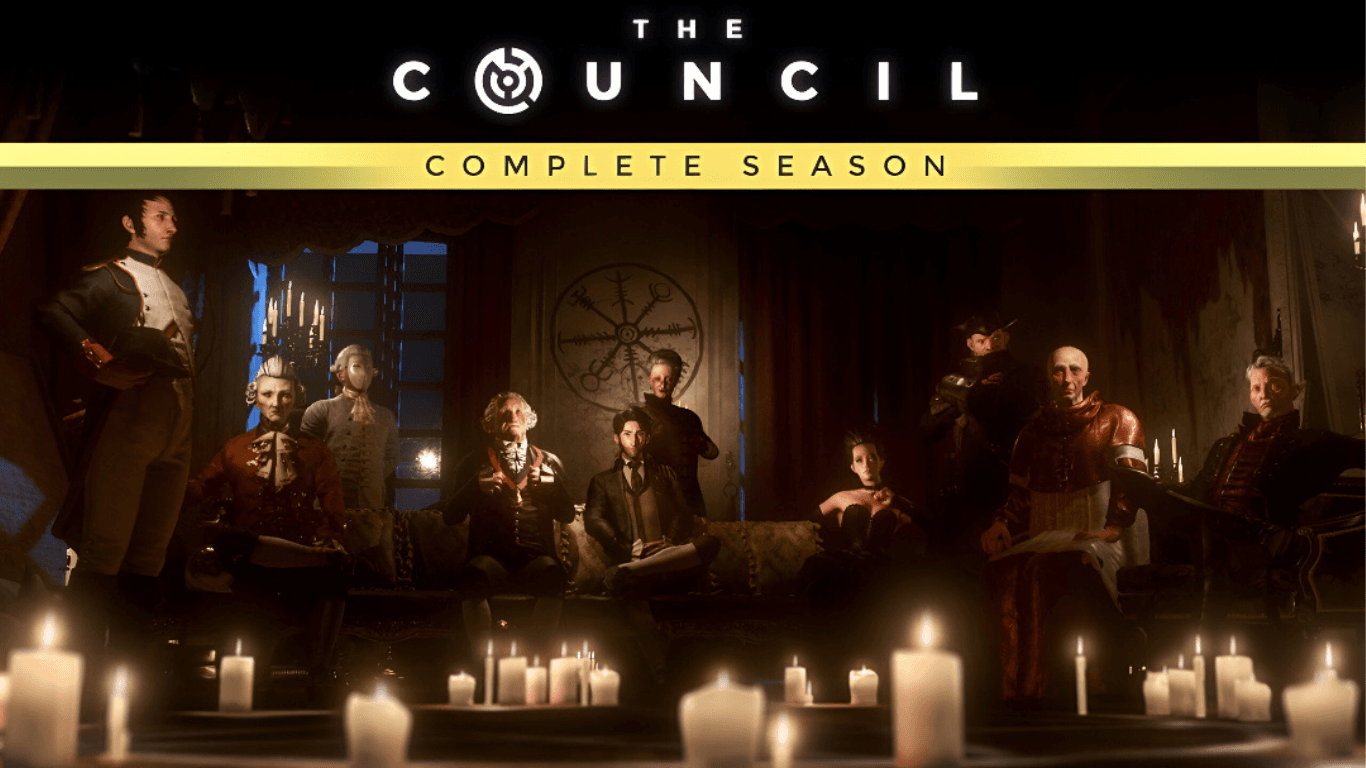
Key Takeaways
- The Council is a story-heavy RPG that focuses on choices, not combat
- Your decisions actually change the story, characters, and endings
- Skills matter more than fighting, making every dialogue tense
- The game shines in mystery, atmosphere, and player freedom
- It’s not perfect, but it’s memorable if you love narrative games
The Council is a narrative-driven RPG where your choices truly matter. Set in a mysterious 18th-century mansion, the game trades combat for smart dialogue, deep skill checks, and long-term consequences that can change the entire story.
Introduction: A Game That Made Me Think Before I Spoke
The first time I played The Council, I thought I had it figured out. Talk to people, pick smart dialogue, solve puzzles, easy stuff. Then I failed a conversation, lost a skill permanently, and realized this game doesn’t play fair. And honestly? That’s what made it special.
This isn’t a game where you button-mash your way to victory. It’s a game where your words can ruin relationships, lock story paths forever, and make you sit back thinking, “Wow… I messed that up.”
What Is The Council?
The Council is an episodic narrative RPG developed by Big Bad Wolf and published by Focus Home Interactive. It takes place in 1793 on a mysterious private island where powerful historical figures gather for secret meetings.
You play as Louis de Richet, a man searching for his missing mother while getting tangled in politics, secrets, and conspiracies.
Core Concept at a Glance
- No traditional combat
- Heavy focus on dialogue and decision-making
- RPG skill system affects conversations and outcomes
- Choices have permanent consequences
Story and Setting: Mystery Wrapped in Power and Politics
The story is where The Council truly shines. The island setting feels isolated and tense, like everyone knows something you don’t. Famous figures like George Washington and Napoleon Bonaparte appear, and surprisingly, it works.
Why the Story Works
- The mystery unfolds slowly and keeps you guessing
- Historical characters add weight and intrigue
- Secrets feel dangerous, not just interesting
There were moments where I paused the game just to think through my next dialogue choice. That’s rare.
Gameplay Mechanics: Words Are Your Weapons

This is not an action game. If you’re looking for sword fights or gunplay, you’re in the wrong place.
Skill-Based Dialogue System
Your skills directly affect conversations. Fail a check, and you might:
- Lose access to certain dialogue paths
- Permanently lose a skill point
- Damage relationships beyond repair
Main Skill Categories
- Diplomacy – persuasion and charm
- Psychology – reading people and manipulation
- Occult – hidden knowledge and secrets
Every choice feels heavy because the game doesn’t let you reload your way out of mistakes easily.
Choice and Consequence: No Takebacks Here
Also Read This Article On Uncharted 2 Walkthrough: 21 Powerful Tips to Beat Among Thieves Like a Pro
This is where The Council earns respect.
Unlike many games where choices feel fake, this one commits. Mess up early, and the effects can echo across episodes.
What Makes Choices Feel Real
- Permanent consequences
- No clear “good” or “bad” answers
- Different endings based on accumulated decisions
I failed one early conversation and spent the rest of the game wondering what I missed. That frustration oddly made the experience stronger.
Visuals and Atmosphere: Stylish but Not Flashy
The visuals aren’t cutting-edge, but they fit the tone perfectly.
Visual Highlights
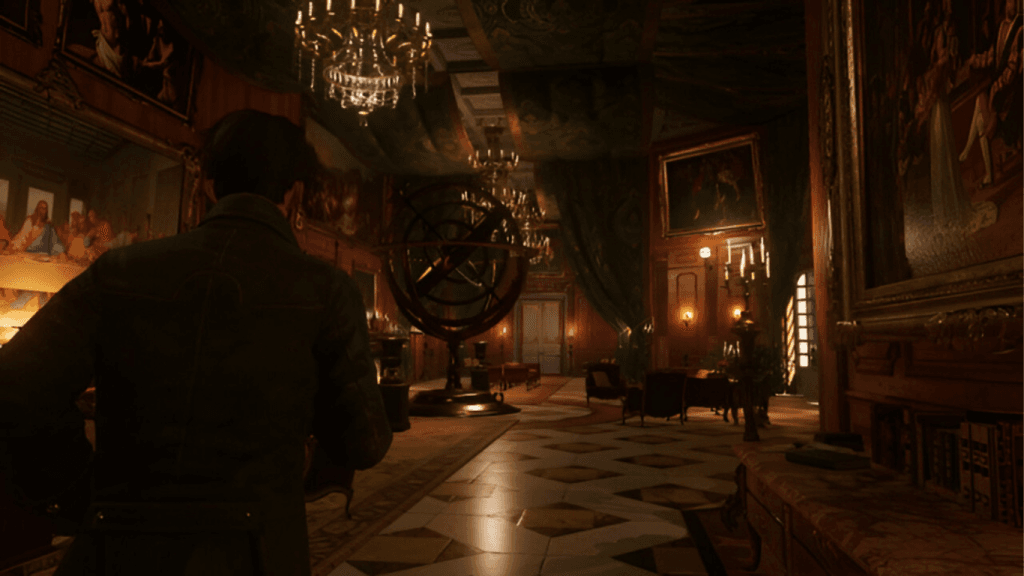
- Rich interiors and detailed environments
- Strong lighting that enhances mystery
- Character designs that reflect personality
The mansion itself feels like a character, hiding secrets behind every locked door.
Sound and Voice Acting: Quietly Effective
The music stays subtle, letting tension build naturally. Voice acting is solid overall, with a few standout performances that really sell emotional moments.
You can hear hesitation, arrogance, or fear in conversations, which matters in a game like this.
Pros and Cons Overview
What The Council Does Well
- Deep, meaningful choices
- Unique dialogue-based RPG mechanics
- Strong atmosphere and mystery
- Smart use of historical figures
Where It Falls Short
Also Read This Article On Star Wars Jedi: Survivor Review – 7 Powerful Reasons It’s the Best Jedi Game Yet
- Occasional technical issues
- Pacing can feel slow
- Not beginner-friendly for casual players
Who Should Play The Council?
This game is perfect if you enjoy:
- Story-first games
- Heavy dialogue and decision-making
- Games like Disco Elysium or Life is Strange
- Being punished for bad choices (in a good way)
If you need action every five minutes, this might not click with you.
Final Summary
The Council is not loud, flashy, or fast-paced—and that’s exactly why it stands out. It respects your intelligence, punishes careless decisions, and delivers a mystery that sticks with you long after the credits roll.
FAQs
No. It focuses on dialogue, investigation, and decision-making instead of combat.
Yes. Choices can permanently change story paths, skills, and endings.
It takes around 12–15 hours to complete all episodes.
Absolutely. Different choices lead to different outcomes and discoveries.
Yes, but it rewards patience and careful thinking more than casual play.