The Witcher 3: Wild Hunt Review – 10 Powerful Reasons This Legendary RPG Is Still a Masterpiece
Key Takeaways
- The Witcher 3 delivers one of the richest stories ever told in a video game
- Your choices actually matter and change the world in meaningful ways
- The open world feels alive, dangerous, and rewarding to explore
- Combat has depth, but preparation matters more than button-mashing
- Even years later, the game still holds up visually and emotionally
The Witcher 3: Wild Hunt is a story-driven open-world RPG where you play as Geralt of Rivia, a monster hunter navigating war, politics, and personal loss. With unforgettable characters, meaningful choices, and a living world, it remains one of the greatest games ever made.
Introduction: Why I Still Think About This Game
I’ve played a lot of RPGs. Like… a lot. Some I finish and forget. Others stick around in my memory like a favorite book you reread years later.
The Witcher 3 is firmly in that second category.
I first booted it up expecting “another fantasy RPG.” A few hours later, I was emotionally invested in a bloody baron, arguing with a talking tree, and questioning my life choices because I picked the wrong dialogue option. That’s when I knew this game was different.
Let’s break down why The Witcher 3: Wild Hunt still feels special, even all these years later.
What Is The Witcher 3: Wild Hunt?
The Witcher 3 is an open-world action RPG developed by CD Projekt Red. You play as Geralt of Rivia, a professional monster hunter searching for his adopted daughter, Ciri, while the world burns around him.
This isn’t a “chosen one saves the world” story. It’s more like:
- War is messy
- People lie
- Monsters aren’t always the worst ones
And honestly? That’s what makes it brilliant.
Storytelling That Hits You Right in the Feels
A Main Story With Weight
The main plot is about finding Ciri, but it’s also about:
- Parenthood
- Responsibility
- Letting go
Your decisions shape how the story ends, and the game doesn’t always tell you when a choice is important. Sometimes, a small decision comes back hours later and punches you right in the emotions.
Side Quests That Feel Like Main Quests
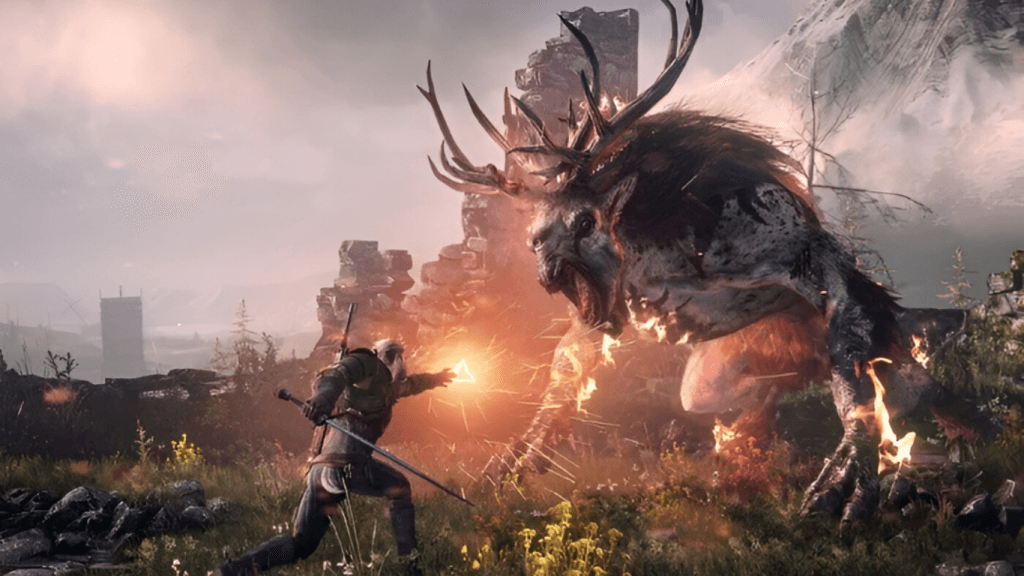
Most games treat side quests like filler. The Witcher 3 treats them like short stories.
Some unforgettable examples include:
- The Bloody Baron questline
- A haunted well with a tragic backstory
- A simple monster contract that turns into a moral dilemma
You’ll often sit back and think, “Wow… that was optional?”
A Living, Breathing Open World
Exploration Feels Natural
The world is huge, but it never feels empty. Wherever you go, something is happening.
You’ll stumble upon:
- Villages destroyed by war
- Random monster attacks
- NPCs with their own routines and problems
Even riding from one quest to another feels like part of the journey.
Regions That Feel Truly Different
Each area has its own vibe:
- Velen is grim, muddy, and depressing (in a good way)
- Novigrad is busy, political, and dangerous
- Skellige feels wild, cold, and beautiful
It’s like visiting different countries, not just new maps.
Combat: More Than Just Swinging a Sword
Preparation Is Key
Also Read The Article On Firewatch Review: 7 Powerful Reasons This Story-Driven Game Still Hits Hard
Combat isn’t about mindless hacking. You’re a witcher, which means preparation matters.
Before tough fights, you’ll often:
- Apply the right oil to your sword
- Drink potions for buffs
- Use bombs or signs strategically
Go in unprepared, and the game will humble you very quickly.
Signs, Swords, and Style
Geralt’s combat tools include:
- Steel sword for humans
- Silver sword for monsters
- Magic signs like Igni (fire) and Quen (shield)
It feels satisfying once it clicks, even if it takes a little practice.
Characters You Actually Care About
Geralt: A Grumpy Legend
Geralt isn’t loud or dramatic. He’s calm, sarcastic, and tired of everyone’s nonsense. And somehow, that makes him incredibly relatable.
A Strong Supporting Cast
The game is packed with memorable characters:
- Yennefer’s sharp wit
- Triss’s warmth
- Ciri’s growth from kid to warrior
They don’t feel like NPCs. They feel like people.
Graphics and Sound That Still Hold Up
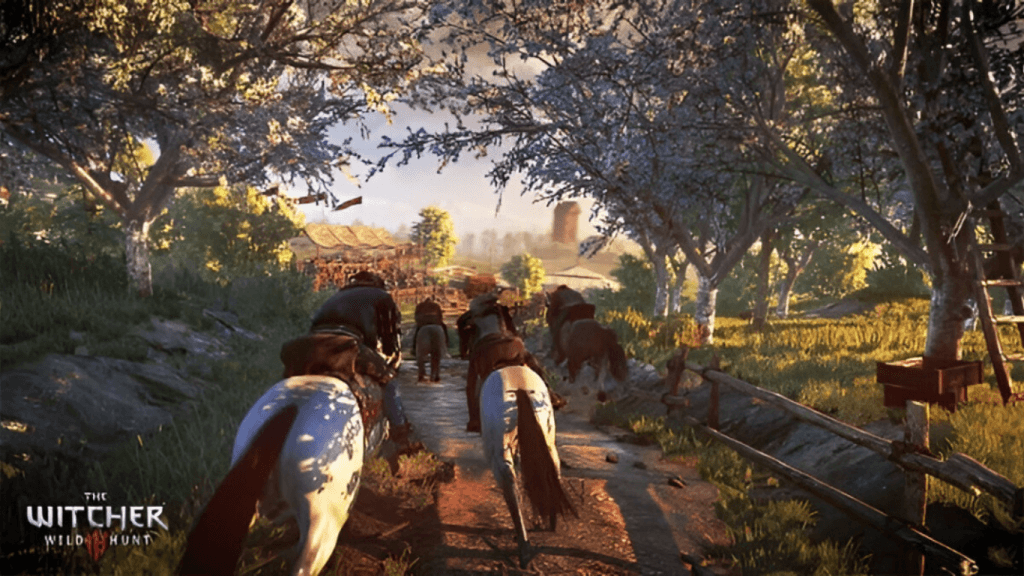
Visuals That Age Like Fine Wine
Even today, sunsets in The Witcher 3 can make you stop and stare.
Highlights include:
- Dense forests
- Stormy seas
- Detailed towns and ruins
With next-gen updates, it looks better than ever.
Music That Sets the Mood
Also Read This Article On Sea of Thieves on PS5: 7 Epic Reasons This Pirate Adventure Is a Must-Play
The soundtrack deserves its own praise.
- Calm exploration themes
- Intense battle music
- Iconic Skellige chants
You’ll recognize the music instantly once it’s stuck in your head.
Strengths and Weaknesses at a Glance
| Strengths | Weaknesses |
|---|---|
| Deep storytelling | Slow start for some players |
| Meaningful choices | Combat can feel clunky early |
| Rich open world | Inventory management gets messy |
| Strong characters | Horse movement is… questionable |
Yes, Roach still gets stuck on fences. We forgive her.
Who Should Play The Witcher 3?
This game is perfect if you:
- Love story-driven RPGs
- Enjoy moral choices without clear answers
- Like slow-burn narratives
- Want a world you can get lost in
If you only care about fast action and skipping dialogue, this might not be your thing. And that’s okay.
Final Thoughts: Why This Game Still Matters
The Witcher 3 isn’t just a great RPG. It’s a reminder of what games can be when developers care deeply about storytelling, characters, and player choice.
It made me laugh, stressed me out, and left me quietly staring at the credits, feeling like I’d just finished a long, unforgettable journey.
That’s rare. And that’s why it’s a masterpiece.
FAQs
Yes, especially on lower difficulties. The systems look complex, but the game teaches you slowly.
No. The game explains its world well, and you’ll be fine starting here.
Main story takes around 50 hours. With side quests and DLC, easily 100+ hours.
Absolutely. Hearts of Stone and Blood and Wine are some of the best expansions ever made.