Season: A Letter to the Future Review – 9 Powerful Reasons This Emotional Adventure Is a Must-Play
Key Takeaways
- A calm, story-driven adventure focused on memory and change
- Stunning hand-painted world that feels alive and peaceful
- Deep emotional storytelling without heavy combat
- Relaxing gameplay built around exploration and photography
- A short but meaningful experience that stays with you
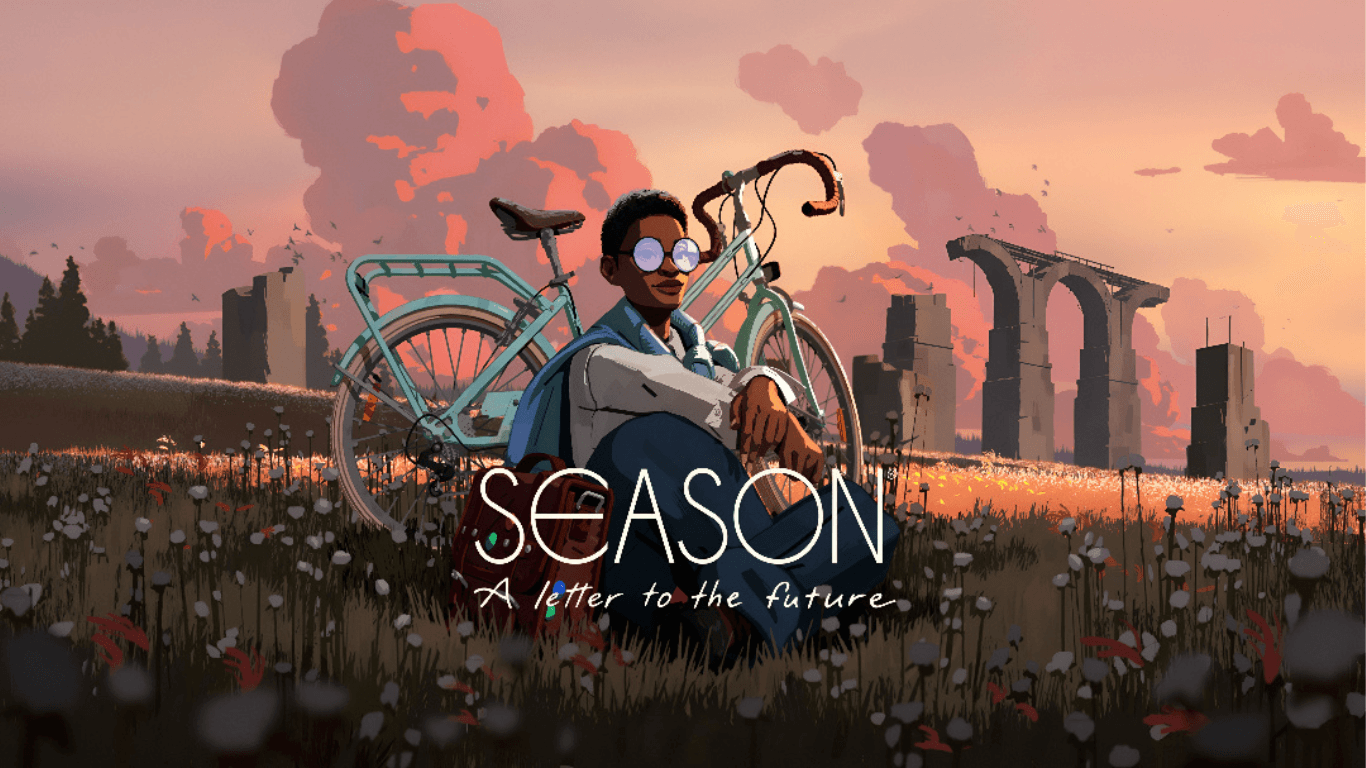
Season: A Letter to the Future is a peaceful narrative adventure where you explore a beautiful world on a bicycle, recording memories before everything changes. With emotional storytelling, relaxing gameplay, and breathtaking visuals, it offers a heartfelt experience that feels personal and unforgettable.
Introduction: When a Game Feels Like a Memory
Some games test your reflexes. Some test your patience. And then there are games like Season: A Letter to the Future that quietly test your heart.
I went into this game expecting a chill exploration experience. What I didn’t expect was to sit there, controller in hand, just listening to the wind and thinking about my own life decisions like I was in a coming-of-age movie.
You play as Estelle, a young woman leaving her village for the first time. The world is about to change forever, and your mission is simple: document it. Take photos. Record sounds. Write notes. Preserve memories.
That’s it.
And somehow, it works beautifully.
What Is Season: A Letter to the Future About?
At its core, this is a narrative adventure game about change, memory, and saying goodbye.
The story revolves around:
- A mysterious “season” that is about to end the current world as people know it
- A journey to record moments before they disappear
- Conversations with strangers who are living through uncertainty
It’s not loud. It’s not explosive. It’s quiet and thoughtful.
If you’re expecting action-packed sequences, you won’t find them here. But if you enjoy emotional storytelling, you’re in for something special.
9 Powerful Reasons This Game Stays With You
1. The World Feels Hand-Painted and Alive
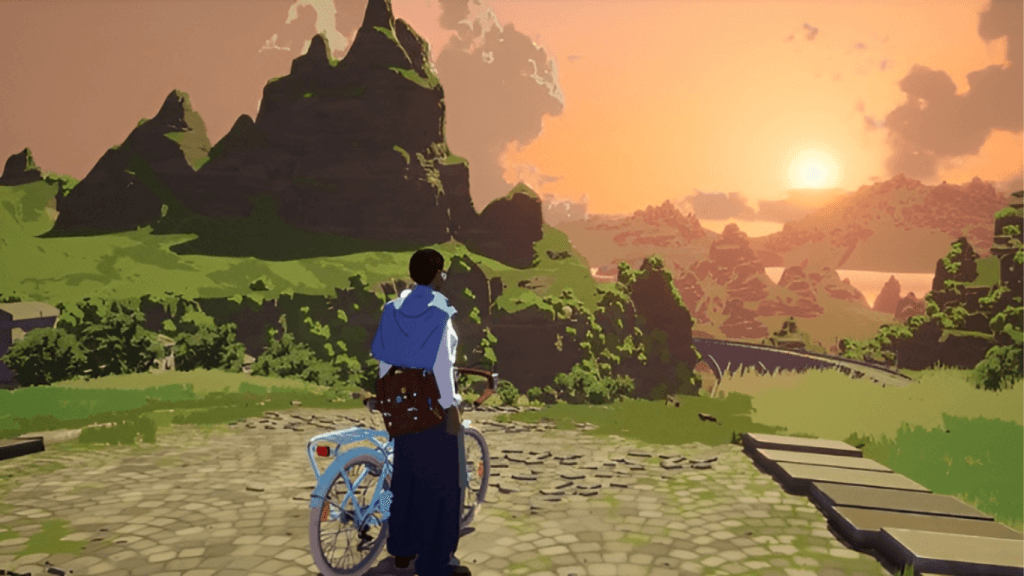
The art style is soft and dreamy. Every location looks like it belongs in a watercolor painting.
Riding your bicycle through fields, abandoned buildings, and small villages feels peaceful. I caught myself stopping just to admire the scenery more times than I’d like to admit.
Here’s what stands out visually:
- Warm, natural lighting
- Gentle animations like swaying grass
- Thoughtful environmental details
It’s the kind of game where you slow down without realizing it.
2. The Bicycle Is Your Best Friend
You spend most of your time riding a bicycle. And somehow, it never gets boring.
There’s something oddly relaxing about pedaling downhill while soft music plays. It reminded me of childhood evenings when you’d ride around for no reason other than freedom.
Simple mechanics. Pure vibes.
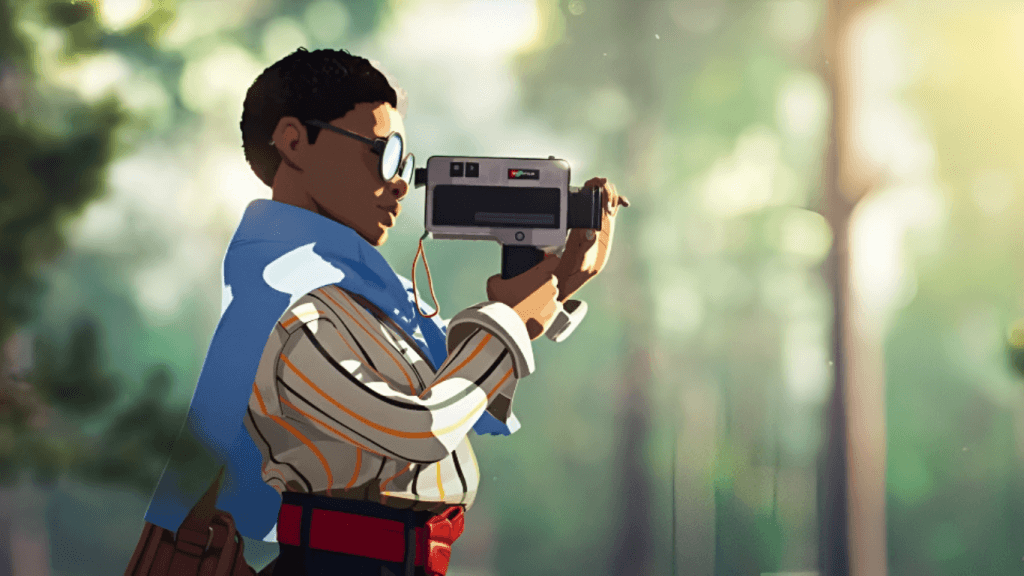
3. Recording Memories Feels Meaningful
Instead of fighting enemies, you:
- Take photographs
- Record ambient sounds
- Write journal entries
- Collect quotes from people
You create a scrapbook of the world. And it feels personal.
At one point, I realized I wasn’t just completing objectives. I was choosing what mattered to me. That hit harder than I expected.
4. The Sound Design Is Incredible
This game understands silence.
The wind, footsteps, distant bells, creaking wood — everything feels intentional. When you use your recording device, you start noticing small details.
It teaches you to listen.
That’s rare in games.
5. Conversations Feel Real
The characters you meet are not over-the-top heroes. They’re ordinary people dealing with change.
Some are hopeful.
Some are afraid.
Some are in denial.
Their stories feel grounded. You won’t find dramatic boss fights here. Instead, you’ll find quiet moments that stay in your head long after you stop playing.
6. No Combat, No Stress
Let’s be honest. Sometimes you just don’t want to sweat through a boss fight.
This game offers:
- Zero combat
- No time pressure
- No complicated skill trees
Just exploration and reflection.
After long gaming sessions filled with competitive chaos, this felt like a deep breath.
7. Emotional Themes That Sneak Up on You
Also Read This Article On Dredge Game Review: 9 Chilling Reasons This Dark Fishing Adventure Is a Must-Play Masterpiece
The game talks about:
- Change
- Memory
- Legacy
- Loss
- Hope
And it does it gently.
I didn’t cry. But I definitely stared at the screen in silence for a few minutes after finishing it.
That counts.
8. A Short but Meaningful Experience
Here’s a quick breakdown:
| Feature | Details |
|---|---|
| Genre | Narrative Adventure |
| Playtime | 6–8 hours |
| Combat | None |
| Focus | Exploration & Story |
| Replay Value | Moderate |
It’s not a 50-hour epic. But not every game needs to be.
Sometimes, short and meaningful is better.
9. It Feels Personal
This is the biggest reason.
Your scrapbook reflects your choices. What you photograph. What you record. What you write down.
Two players might finish with completely different journals.
And that makes it feel like your story.
Who Should Play This Game?
You’ll love this game if you enjoy:
- Slow-paced exploration
- Emotional storytelling
- Indie narrative experiences
- Games like Life is Strange or Journey
You might not enjoy it if you prefer:
- Fast action
- Heavy combat
- Competitive gameplay
The Strengths and Weaknesses
Also Read This Article On Despelote Review: 7 Powerful Reasons This Emotional Soccer Adventure Hits Different
Strengths
- Beautiful art direction
- Relaxing atmosphere
- Deep emotional themes
- Unique memory-recording mechanics
Weaknesses
- Slow pacing may not suit everyone
- Limited gameplay variety
- Short runtime
It’s not perfect. But it knows exactly what it wants to be.
Summary
Season: A Letter to the Future is not about action or competition. It’s about preserving memories before they fade away. Through beautiful visuals, relaxing bicycle exploration, and meaningful conversations, it creates a heartfelt experience that feels personal and reflective. It may be short, but its emotional impact lasts much longer.
FAQs
It has open areas to explore, but it’s not a massive open world. The focus is on curated environments and storytelling.
Most players complete it in 6 to 8 hours.
No. The game focuses entirely on exploration and recording memories.
If you enjoy emotional, slow-paced narrative games, absolutely yes.