Flintlock: The Siege of Dawn Review – 7 Brutal Truths You Must Know Before You Play
Key Takeaways
- A bold mix of soulslike combat and fast-paced gunplay
- Strong world-building with gods, magic, and colonial-era vibes
- Combat feels smooth once it “clicks” (yes, I died a lot first)
- Exploration is rewarding but sometimes uneven
- Story has cool ideas, even if pacing slows at times
- Boss fights are intense and memorable
- Great for players who enjoy challenge without total punishment
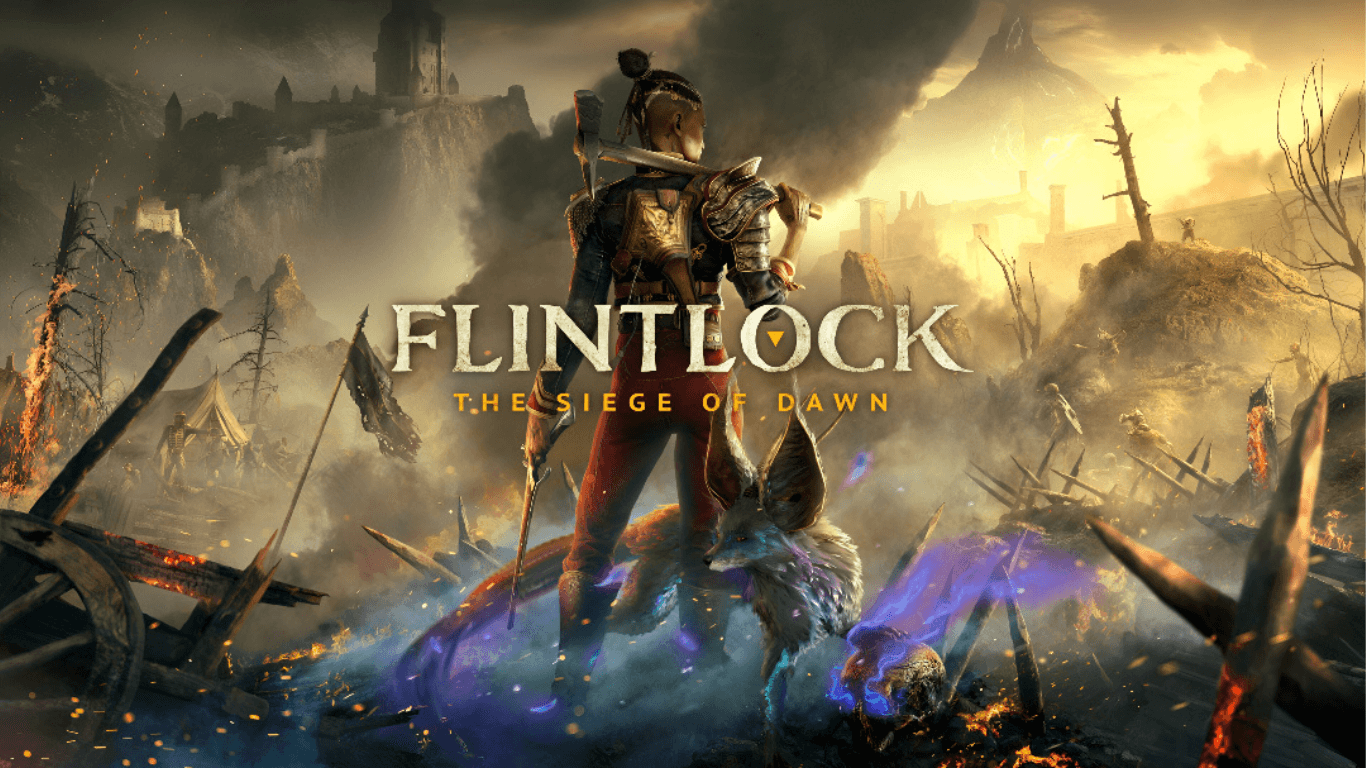
Flintlock: The Siege of Dawn blends brutal melee combat, stylish gunplay, and dark fantasy storytelling into a soulslike adventure that feels both fresh and familiar. With challenging enemies, fluid movement, and a god-killing narrative, it offers rewarding gameplay for players who enjoy skill-based combat and deep world-building.
Introduction to Flintlock: The Siege of Dawn
I went into this game expecting another dark, moody soulslike clone. You know the type—grey skies, big swords, lots of dying. And yes, I did die. A lot. But what I didn’t expect was how much personality this game has.
From the first hour, I could tell this wasn’t just trying to copy games like Dark Souls. It’s doing its own thing. Guns. Magic. Gods. Explosions. And a fox-like companion who may or may not judge your bad decisions.
Let’s break it down.
What Makes Flintlock Different?
Guns + Swords = Surprisingly Fun
The biggest twist here is the mix of:
- Melee weapons (axes, blades)
- Flintlock pistols
- Magic abilities
- A supernatural companion named Enki
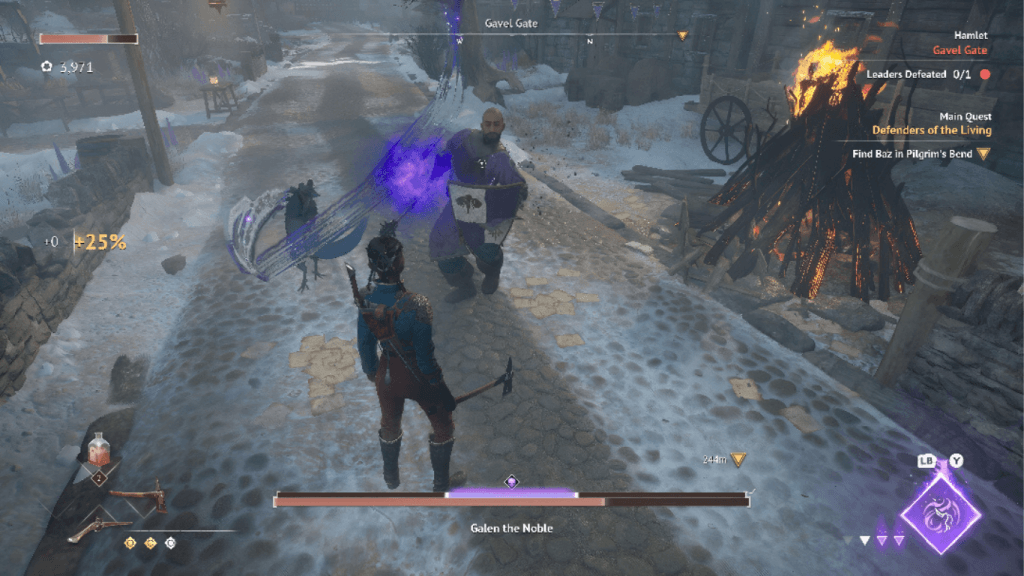
At first, I played it like a typical soulslike. Dodge, hit, roll, panic, repeat. But once I started mixing gunshots between combos? Everything changed.
Combat became faster. Sharper. More aggressive.
It rewards players who:
- Stay close to enemies
- Use abilities creatively
- Take smart risks
And trust me, it feels amazing when you chain attacks perfectly.
Mobility Feels Smooth
Unlike heavier games in the genre, movement feels light and responsive. You can:
- Double jump
- Dash
- Wall-run in certain areas
It’s not parkour madness like Dying Light, but it gives you freedom.
And as someone who has rolled off cliffs more times than I’d like to admit, I appreciated that extra control.
Story and World – Gods Are Not Your Friends
The Premise
You play as Nor Vanek, a warrior on a mission to destroy the gods. Yes, actual gods.
The world mixes:
- Dark fantasy
- Colonial-era aesthetics
- Mythical creatures
- Political tension
It’s ambitious. Sometimes very ambitious.
Does the Story Always Hit?
Not always.
Some parts feel powerful and cinematic. Other parts slow down with heavy exposition. I found myself deeply interested in the lore… but occasionally checking my phone during long dialogue scenes.
Still, the concept of hunting gods? That’s cool. Very cool.
Combat – Where the Game Truly Shines
Here’s where things get serious.
Difficulty Level
Let me be honest:
I got humbled.
Enemies hit hard. Bosses hit harder. But it never feels unfair.
Here’s how it compares to other tough games:
| Feature | Flintlock | Dark Souls | Typical Action Game |
|---|---|---|---|
| Combat Speed | Fast | Slow-Moderate | Fast |
| Gun Usage | Yes | Rare | Yes |
| Punishment Level | Moderate | High | Low |
| Mobility | High | Moderate | High |
The key difference? It feels more forgiving. You can recover from mistakes if you stay aggressive.
Boss Fights
Also Read This Article On Little Kitty, Big City Review: 7 Adorable Reasons This Charming Cat Adventure Is a Must-Play
Bosses are the highlight.
They are:
- Big
- Visually dramatic
- Mechanically layered
I remember one fight where I thought I had it won. Then—boom—second phase. Classic. I sighed. Sat up straight. And locked in.
Beating that boss? Chef’s kiss.
Exploration and Side Content
Semi-Open Areas
The game uses large zones instead of a fully open world. That’s actually a good thing.
You get:
- Hidden paths
- Upgrade materials
- Side quests
- Optional mini-bosses
Exploration feels rewarding, but not overwhelming.
Side Quests – Hit or Miss
Some side missions add depth to the world.
Others feel like:
- Go here
- Kill this
- Come back
Not terrible. Just not groundbreaking.
Visuals and Sound Design
Art Direction
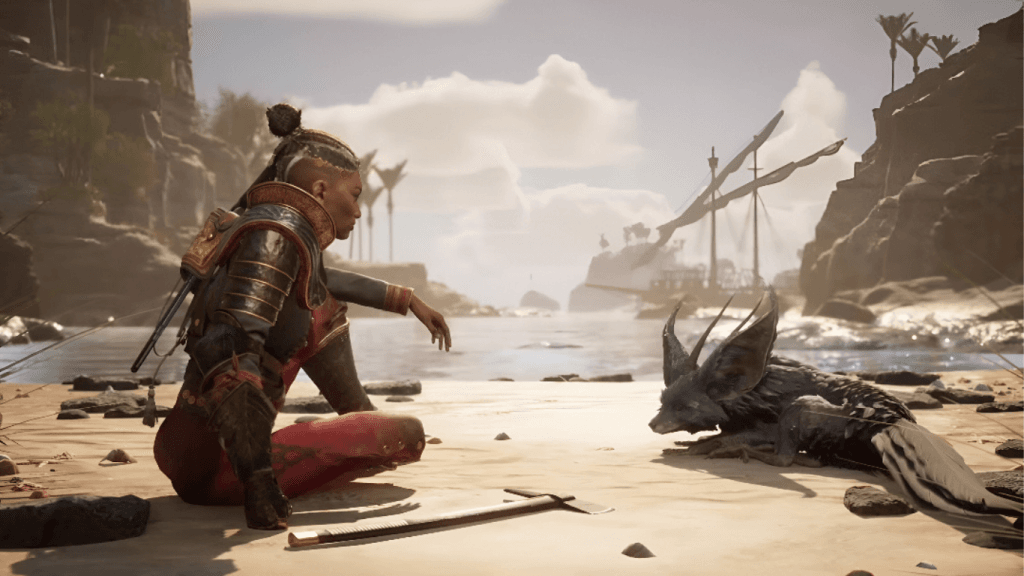
The world looks great.
- Ruined cities
- Magical portals
- War-torn landscapes
It’s not photorealistic like The Last of Us Part I, but it doesn’t need to be. The style carries it.
Sound and Music
Also Read This Article On 7 Mind-Blowing Reasons The Witness Is a Masterpiece Puzzle Game (Honest Review)
Combat sounds punchy. Guns crack loudly. Magic abilities have weight.
The soundtrack builds tension during boss fights and fades nicely during exploration. It does its job without screaming for attention.
7 Brutal Truths About Flintlock
Let’s keep it simple.
- You will die early on
- Combat takes time to master
- Gunplay makes it feel fresh
- The story is interesting but uneven
- Boss fights are excellent
- Exploration is rewarding
- It’s not for players who hate challenge
Final Summary
Flintlock: The Siege of Dawn surprised me.
It’s not perfect. The story pacing can wobble. Some side quests feel basic. But when the combat clicks? It feels incredible.
The mix of swords, guns, magic, and god-slaying ambition gives it its own identity. It stands confidently beside other action RPGs instead of hiding behind them.
FAQs
Yes, it has soulslike combat elements like stamina management and tough enemies, but it feels faster and more forgiving.
It uses large open zones instead of a full open world.
It’s challenging but fair. If you enjoy skill-based combat, you’ll adapt.
If you’re new to tough action RPGs, expect a learning curve. But it’s not as punishing as classic souls games.
Most players can expect around 15–25 hours depending on exploration and difficulty.