9 Powerful Reasons Dark Cards of Candlewood Is a Must-Play Mystery

Key Takeaways
- The Dark Cards of Candlewood blends mystery, puzzles, and exploration in a creepy small-town setting.
- The story slowly unfolds through clues, cards, and environmental storytelling.
- The atmosphere feels tense but never overwhelming.
- Puzzle solving and investigation drive most of the gameplay.
- Perfect for players who love narrative-driven indie games.
- The game shines in storytelling but may feel slow for action fans.
The Dark Cards of Candlewood is a mystery adventure game where players explore a strange town, uncover clues, and solve puzzles tied to mysterious cards. The game focuses heavily on atmosphere and storytelling rather than fast-paced action, making it a great choice for players who enjoy slow-burn mysteries and investigative gameplay.
Dark Cards of Candlewood Review
The first time I loaded up The Dark Cards of Candlewood, I expected a simple puzzle game. You know the kind—solve a few riddles, walk around a spooky map, maybe jump at a loud sound effect.
Instead, I got pulled into a quiet, eerie mystery that felt like reading a suspense novel… except I was the one turning the pages.
Within minutes, the game had me wandering through a sleepy town filled with secrets, strange symbols, and—of course—those mysterious dark cards. And let me tell you, once the mystery starts unfolding, it’s surprisingly hard to stop playing.
Let’s break down why this indie title might be worth your time.
What Is Dark Cards of Candlewood?
At its core, The Dark Cards of Candlewood is a story-driven mystery game.
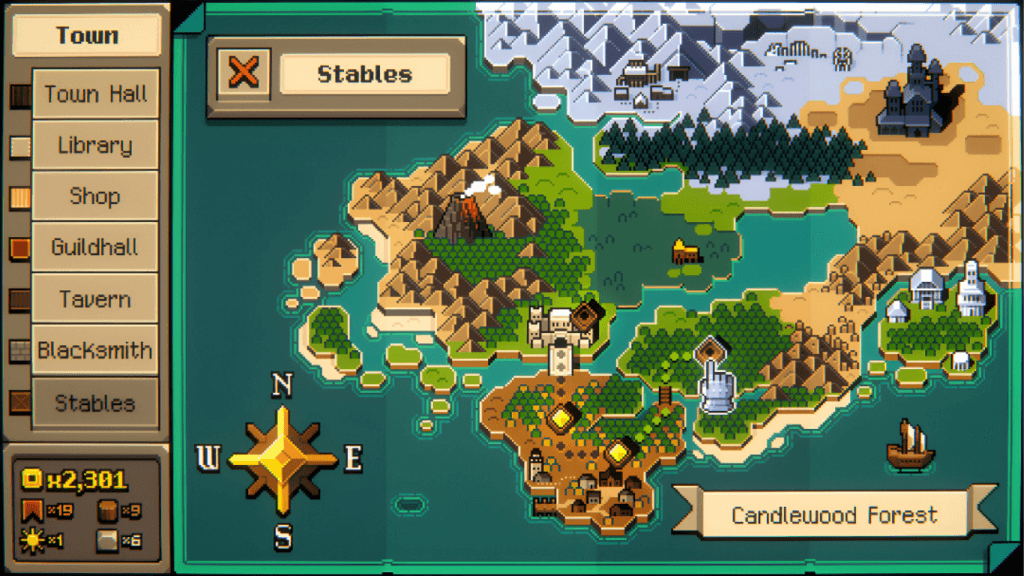
You explore a quiet town called Candlewood while investigating strange events tied to mysterious cards. These cards hold clues, secrets, and sometimes disturbing truths about what happened in the town.
Think of it like solving a puzzle while slowly uncovering a creepy story.
Core Gameplay Elements
- Exploration of a mysterious town
- Puzzle solving using clues and items
- Collecting strange cards tied to the story
- Environmental storytelling
- Investigative gameplay
It’s not a fast game. And honestly, that’s the point.
The game wants you to slow down, look around, and think.
First Impressions: Atmosphere That Hooks You
One thing became clear in the first 10 minutes: the atmosphere is doing a lot of heavy lifting here.
Candlewood feels quiet in a way that’s almost uncomfortable.
Not “jump scare horror,” but more like:
- The street is empty
- The wind is blowing
- And something just feels… wrong
I actually caught myself checking corners more carefully than usual. Not because I expected monsters—but because the game made the town feel alive with secrets.
And honestly? That’s a rare skill in indie games.
The Story: A Mystery That Slowly Builds
The story unfolds piece by piece.
Instead of dumping everything on you at once, the game gives small clues through:
- Found notes
- Strange cards
- Environmental hints
- Character interactions
At first, I had no clue what was going on.
And weirdly… that made it better.
It felt like solving a real mystery.
Story Strengths
- Slow but intriguing narrative
- Strong sense of curiosity
- Lots of small details hidden in the world
- Players piece together the story themselves
If you enjoy games where you connect the dots, this one delivers.
Puzzle Design: Simple but Smart
Let’s talk about puzzles.
Because if a mystery game fails here, the whole thing falls apart.
Luckily, Dark Cards of Candlewood keeps things clever without being frustrating.
Types of Puzzles You’ll See
- Environmental clues
- Card-based mysteries
- Item combinations
- Pattern recognition
- Story-related riddles
Most puzzles feel fair.
I only got stuck a couple of times—and honestly, that might have been my own fault. (Note to self: actually read the clues next time.)
Exploration Feels Rewarding
Some games make exploration feel like busy work.
This one doesn’t.
Every time you wander somewhere new, you might find:
- A clue
- A card
- A story detail
- A hidden location
And that creates a simple but powerful gameplay loop:
Explore → Discover → Understand More
It’s surprisingly addictive.
Visual Style and Sound Design
Also Read This Article On Abzû PS5 Review: 9 Beautiful Reasons This Ocean Adventure Still Feels Magical
The game isn’t trying to compete with big AAA graphics. Instead, it focuses on mood and tone.
Visual Highlights
- Dark, moody environments
- Minimal but effective lighting
- Small details hidden in the world
Sound Design
This is where the game really shines.
- Soft wind
- Distant creaks
- Subtle music
Sometimes the silence itself feels tense.
And yes, there were moments where I thought:
“Did I just hear something?”
Spoiler: I probably didn’t. But the game makes you feel like you did.
Strengths and Weaknesses
Here’s a quick breakdown.
| Category | Rating | Notes |
|---|---|---|
| Story | ⭐⭐⭐⭐☆ | Slow but intriguing |
| Atmosphere | ⭐⭐⭐⭐⭐ | One of the game’s biggest strengths |
| Puzzles | ⭐⭐⭐⭐☆ | Smart but not too hard |
| Graphics | ⭐⭐⭐⭐☆ | Stylish rather than realistic |
| Replay Value | ⭐⭐⭐ | Mostly story-driven |
Who Should Play This Game?
Also Read This Article On Lake Indie Game Review: 9 Relaxing Reasons This Cozy Story Game Is Worth Playing
You’ll probably enjoy Dark Cards of Candlewood if you like:
- Mystery games
- Puzzle adventures
- Story-driven indie games
- Slow exploration gameplay
You might not enjoy it if you prefer:
- Fast action
- Combat-heavy gameplay
- High-energy pacing
This game is more about thinking than fighting.
Summary
Dark Cards of Candlewood delivers a quiet but gripping mystery experience. With strong atmosphere, clever puzzles, and a story that slowly unfolds, the game rewards players who enjoy exploration and investigation. While it may feel slow for action fans, mystery lovers will likely find themselves hooked until the final clue is revealed.
FAQs
Not exactly. It has a creepy atmosphere, but it focuses more on mystery and puzzles than horror.
Most players can finish it in 4–6 hours, depending on how much they explore.
The puzzles are generally fair and logical. A few might slow you down, but nothing feels impossible.
No. The focus is on exploration, story, and solving mysteries.
Yes, especially if you enjoy narrative-driven indie games with strong atmosphere.