Firewatch Review: 7 Powerful Reasons This Story-Driven Game Still Hits Hard
Key Takeaways
- Firewatch is a short but emotionally powerful story-driven game
- Exploration and dialogue matter more than combat or action
- The art style and atmosphere are unforgettable
- Choices feel personal, even when outcomes stay grounded
- It’s perfect for players who love narrative-focused games
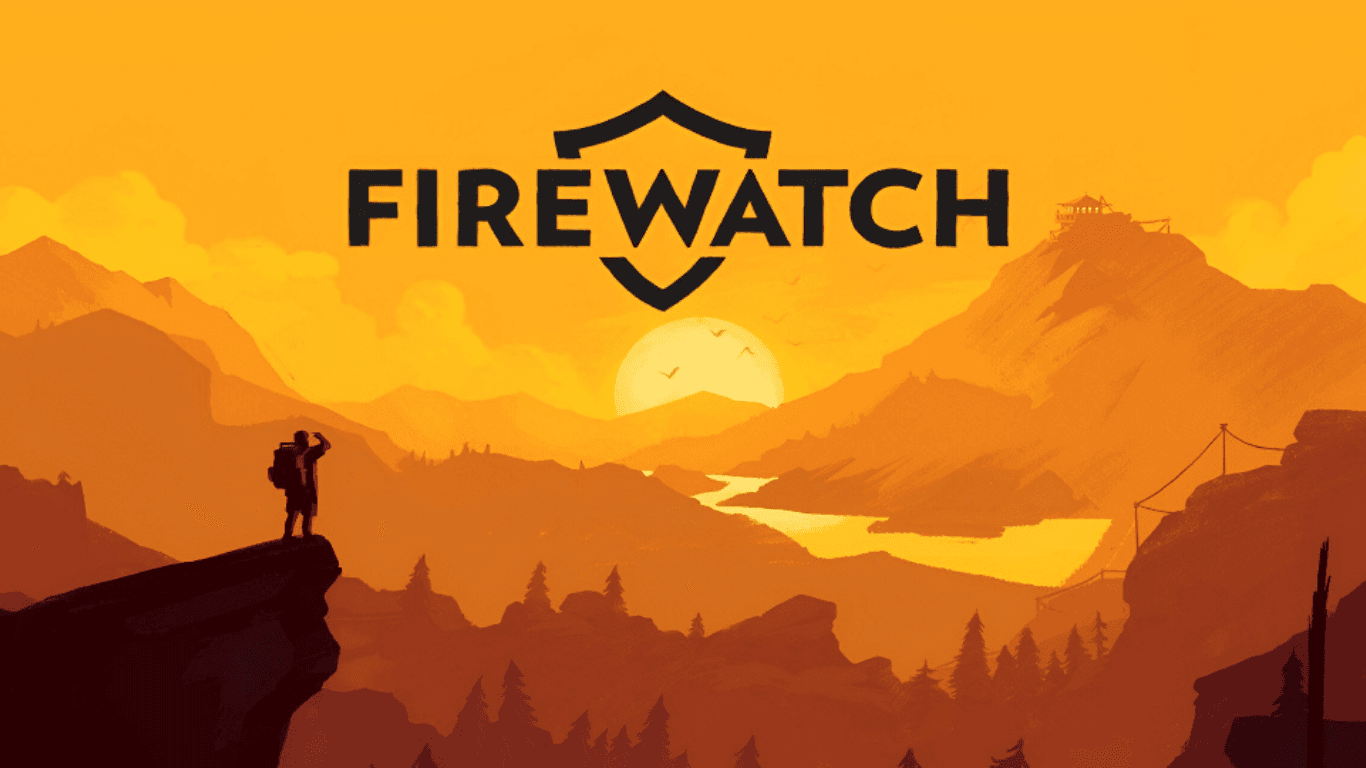
Firewatch is a story-driven adventure game that puts you in the shoes of a lonely fire lookout in the Wyoming wilderness. With stunning visuals, emotional storytelling, and natural dialogue, it delivers a calm yet deeply personal experience that stays with you long after the credits roll.
What Is Firewatch? A Quick Overview
Firewatch is not your typical video game. There are no guns, no skill trees, and no boss fights waiting around the corner. Instead, it’s a first-person adventure where your main tools are curiosity, conversation, and a map you’ll probably misread at least once. I know I did.
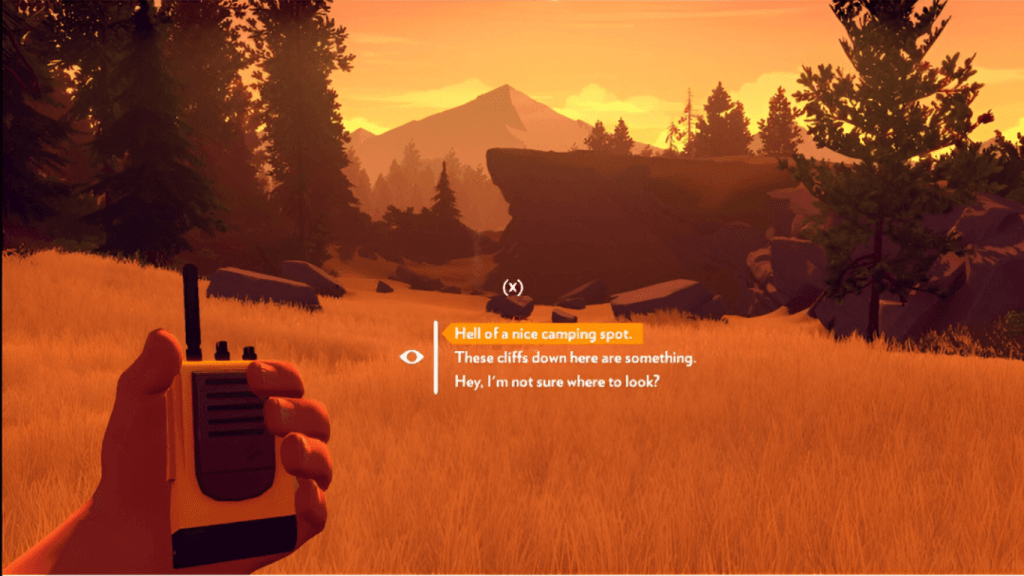
You play as Henry, a man escaping personal pain by taking a summer job as a fire lookout in the Wyoming wilderness. Your only real human contact is Delilah, your supervisor, who talks to you over a walkie-talkie. And somehow, that’s enough to carry the entire game.
The Story: Simple, Human, and Surprisingly Heavy
A Slow Burn That Feels Real
Firewatch starts quietly. No explosions. No dramatic hero moment. Just a man trying to run away from life for a while. And honestly, that’s what makes it hit harder.
The story unfolds naturally through:
- Conversations with Delilah
- Environmental clues
- Small choices that shape how Henry responds
I found myself caring less about “what happens next” and more about how Henry feels about it. That’s rare in games.
Choices That Feel Personal
You don’t choose the ending, but you do choose Henry’s tone. Are you sarcastic? Kind? Closed off? Awkward? (I went awkward. No regrets.)
These choices:
- Change dialogue reactions
- Shape your relationship with Delilah
- Make the experience feel uniquely yours
Gameplay: Walking, Exploring, and Getting Lost (On Purpose)
Yes, It’s a Walking Simulator—and That’s Okay
If you’ve heard the term “walking simulator” used like an insult, Firewatch proudly proves why that label can still mean something special.
Gameplay mainly involves:
- Exploring forests and trails
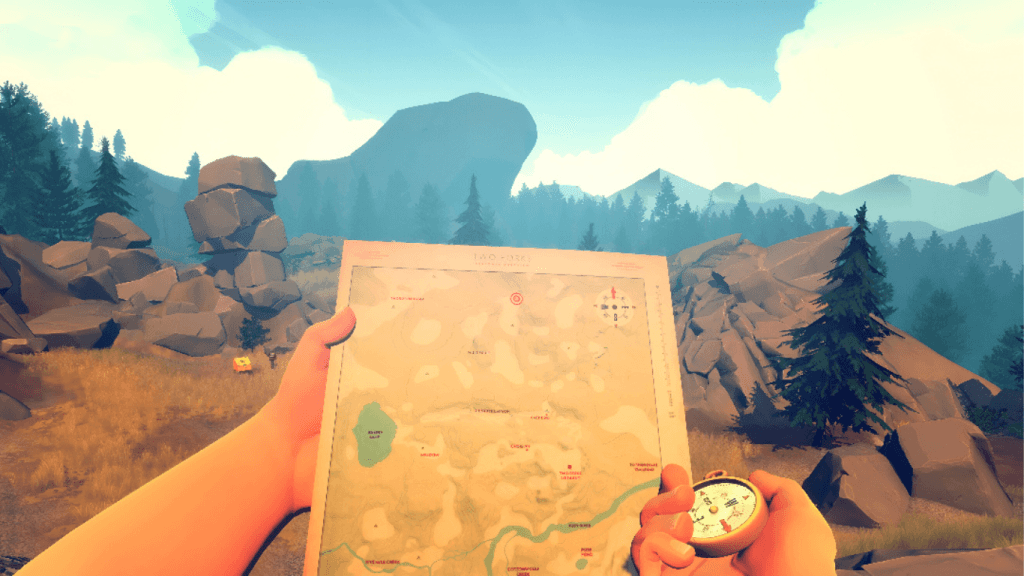
- Reading maps and using a compass
- Discovering notes, objects, and locations
There were moments I genuinely felt lost, staring at my map like it had personally betrayed me. But somehow, that added to the immersion instead of breaking it.
Pacing That Lets You Breathe
Firewatch doesn’t rush you. It lets silence sit. It lets you soak in the environment. And in a world of loud, fast games, that felt refreshing.
Visuals and Art Style: Like Playing a Painting
Stylized but Timeless
Also Read This Article On Call of Juarez: Gunslinger Review – 7 Brutally Fun Reasons This Wild West Shooter Still Hits Hard
Firewatch’s art style is bold, colorful, and slightly dreamy. It doesn’t aim for realism, and that’s exactly why it still looks amazing years later.
The game nails:
- Warm sunsets
- Foggy mornings
- Vast forests that feel peaceful and isolating
I stopped more than once just to look around, completely forgetting I was supposed to be going somewhere.
Sound Design That Sets the Mood
The music is subtle and emotional, and the ambient sounds make the world feel alive. Wind through trees, distant wildlife, and radio chatter all work together beautifully.
Characters: Just Two Voices, Done Perfectly
Henry and Delilah Feel Like Real People
The voice acting is outstanding. Conversations feel natural, awkward, funny, and sometimes uncomfortably honest.
What works so well:
- Dialogue overlaps naturally
- Jokes feel spontaneous
- Emotional moments don’t feel forced
It honestly felt like chatting with someone on a long hike, not listening to scripted game dialogue.
How Long Is Firewatch?
Firewatch is short, and that’s a good thing.
| Playstyle | Time to Finish |
|---|---|
| Story-focused | 4–5 hours |
| Exploring everything | 6–7 hours |
It respects your time and tells its story without dragging things out.
Who Should Play Firewatch?
Also Read This Article On Titanfall 2 Review: 7 Powerful Reasons This FPS Classic Still Blows Minds in 2025
Firewatch is perfect if you:
- Love story-driven games
- Enjoy slow, atmospheric experiences
- Appreciate strong writing and dialogue
- Want something emotional but not overwhelming
It might not be for you if:
- You want action-heavy gameplay
- You prefer complex mechanics or combat
Final Thoughts: Why Firewatch Stays With You
Firewatch isn’t about saving the world. It’s about small conversations, quiet moments, and the messy emotions we don’t always know how to handle. I went in expecting a calm adventure and walked away thinking about it for days.
If you’re looking for a game that feels personal, thoughtful, and human, Firewatch is still one of the best experiences out there.
FAQs
No, but it does have moments of tension and mystery that can feel unsettling.
The ending is mostly the same, but your dialogue choices affect character relationships.
Yes, especially to explore different dialogue choices and character interactions.
Absolutely. Its story, art style, and writing still hold up extremely well.
It’s better suited for teens and adults due to mature themes and language.